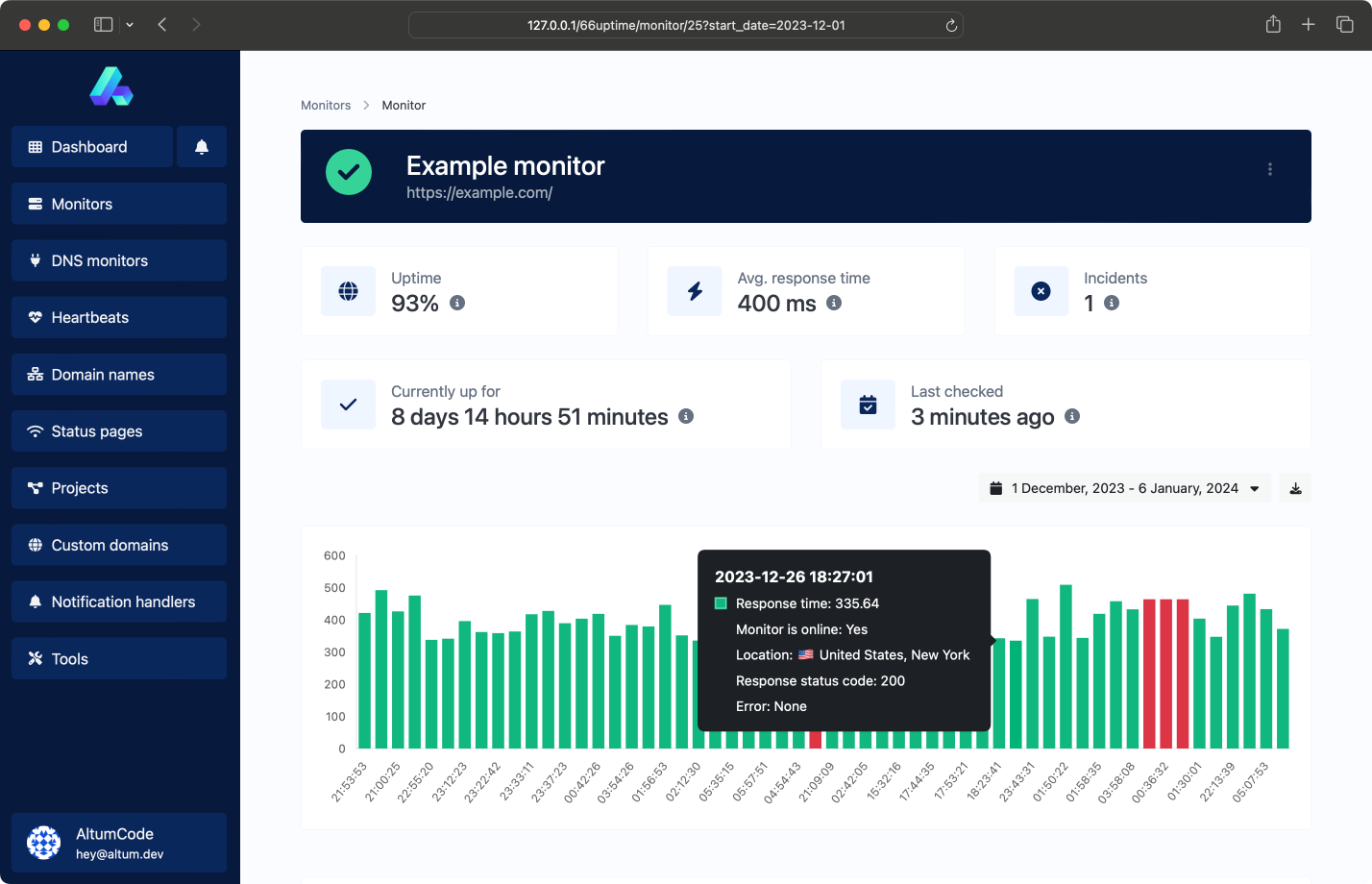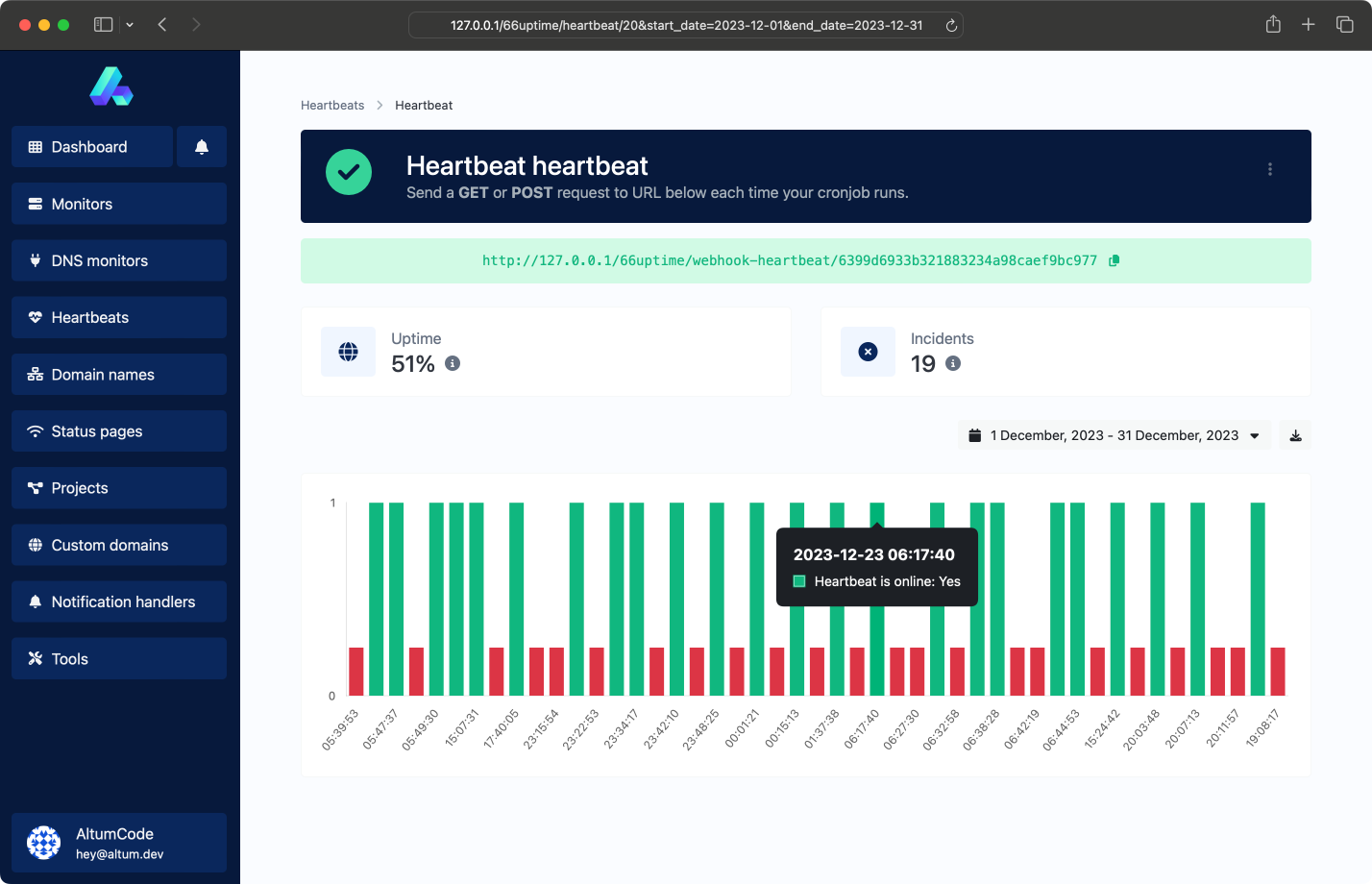
Discover 6 proven strategies to improve your website's uptime, from choosing reliable hosting to implementing real-time monitoring with Uptime InnovHub for maximum performance and reliability.
Introduction:
Maintaining high uptime is essential for any online business. Frequent downtimes can damage your brand's reputation and lead to revenue loss. In this post, we'll cover six proven strategies to improve your website's uptime and ensure consistent performance.
1. Choose a Reliable Hosting Provider
Your hosting provider plays a crucial role in uptime. Opt for providers with strong SLAs, high server reliability, and robust infrastructure to minimize potential downtime.
2. Implement Real-Time Uptime Monitoring
Using tools like Uptime InnovHub, you can monitor your website 24/7. Immediate alerts help you identify and address issues before they impact your customers.
3. Regularly Update and Maintain Your Website
Outdated plugins, themes, or software can cause compatibility issues, leading to crashes. Regular updates ensure your website runs smoothly and securely.
4. Optimize Server Performance
Slow servers can trigger timeouts, leading to downtime. Optimize server resources, manage traffic loads, and utilize Content Delivery Networks (CDNs) for faster performance.
5. Establish a Disaster Recovery Plan
No system is immune to failures. A solid disaster recovery plan helps you respond quickly during outages, minimizing downtime and data loss.
6. Load Testing and Performance Monitoring
Conduct load tests regularly to understand how your website handles high traffic. Performance monitoring helps identify potential bottlenecks before they cause downtime.
Conclusion:
Improving website uptime requires a proactive approach. By following these strategies and leveraging tools like Uptime InnovHub, you can ensure your website remains reliable, responsive, and available to your audience 24/7.