Learn the 5 key benefits of real-time uptime monitoring and how it helps keep your business online, reliable, and efficient with Uptime InnovHub.
Introduction:
In an increasingly connected world, downtime is not an option. Real-time uptime monitoring is more than just a technical tool; it's a strategic asset for businesses that rely on their online presence. In this post, we’ll explore the top five benefits of real-time uptime monitoring and why it should be a priority for your business.
1. Immediate Downtime Detection
Real-time monitoring alerts you the moment an issue occurs. This instant notification allows your IT team to respond quickly, minimizing the duration of outages and reducing potential revenue loss.
2. Enhanced Customer Experience
Downtime affects customer satisfaction. By identifying issues proactively, you can fix them before they impact users. Consistent uptime improves reliability, builds trust, and keeps your customers happy.
3. Data-Driven Decision Making
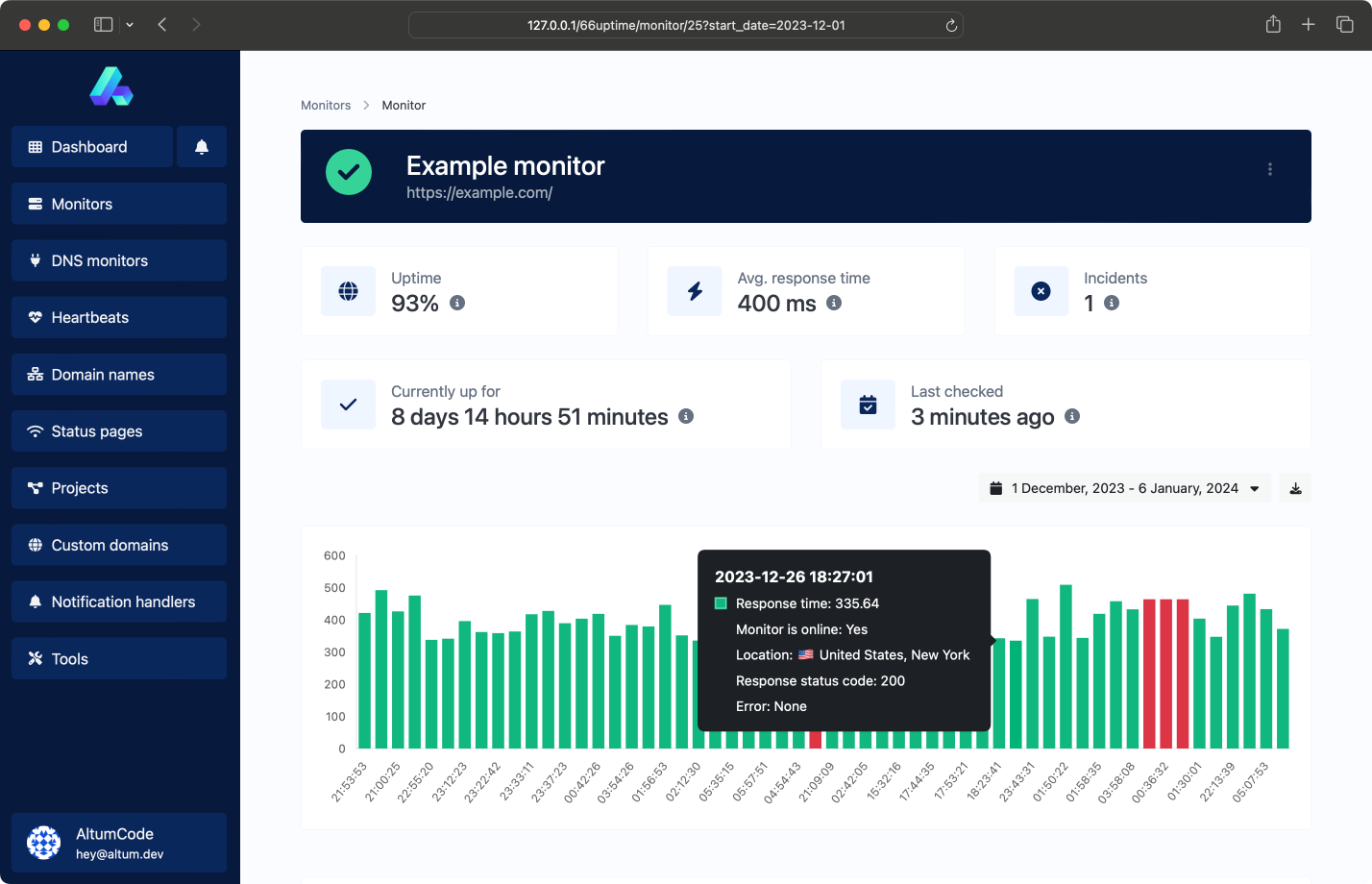
Real-time monitoring tools provide detailed reports and analytics. This data helps identify recurring issues, optimize performance, and support strategic decisions based on real-time metrics.
4. SLA Compliance and Accountability
For businesses with Service Level Agreements (SLAs), uptime monitoring ensures you meet contractual obligations. It provides documented proof of system performance, making it easier to maintain accountability with clients and vendors.
5. Cost Savings Through Proactive Maintenance
Addressing issues before they escalate prevents costly downtime. Real-time monitoring helps detect performance degradation early, allowing for timely maintenance that avoids expensive emergency fixes.
Conclusion:
Real-time uptime monitoring isn’t just about keeping your website online; it's about protecting your brand, optimizing performance, and driving business growth. Uptime InnovHub offers comprehensive monitoring solutions to ensure your business stays ahead of potential issues, delivering a seamless experience for your customers.